Planning to visit one of our offices? Request an appointment here

Japan Discovery

Land Tour

Get ready to explore Japan’s wonderful blend of ancient traditions and vibrant modern life on this delightful adventure. We’ll wander bustling Tokyo streets, visit peaceful temples, marvel at the majestic Mt Fuji and find quiet moments of reflection in Hiroshima. Along the way, we’ll enjoy warm traditions, tasty meals and unforgettable memories that are a joy to discover.

From price

$13,995
Price per person, twin share
Tour Provider Bunnik Tours
Number Of Days
16
Start Location
Tokyo, Japan
End Location
Osaka, Japan
Age Range
Avg. 50+
Group Size
1 to 20
Tour Style
Premium
Tour Themes
Small group
Physical Rating
Moderate
Includes Flights
Yes

Departure dates

Price per person, twin share
Start End Availability Price
08 Oct 2026 23 Oct 2026 Available $14,295
15 Oct 2026 30 Oct 2026 Limited Seats $13,995
18 Oct 2026 02 Nov 2026 Guaranteed Departure $14,595
01 Nov 2026 16 Nov 2026 Available $14,495
06 Nov 2026 21 Nov 2026 Guaranteed Departure $14,495
10 Nov 2026 25 Nov 2026 Available $14,495
15 Mar 2027 30 Mar 2027 Available $14,995
21 Mar 2027 05 Apr 2027 Guaranteed Departure $14,995
23 Mar 2027 07 Apr 2027 Available $14,995
26 Mar 2027 10 Apr 2027 Limited Seats $14,995
28 Mar 2027 12 Apr 2027 Available $14,995
30 Mar 2027 14 Apr 2027 Guaranteed Departure $14,995
04 Apr 2027 19 Apr 2027 Guaranteed Departure $14,995
08 Apr 2027 23 Apr 2027 Guaranteed Departure $14,995

Inclusions

  • Sightseeing

    • Visit Imperial Palace East Garden
    • Stroll through the Ginza District
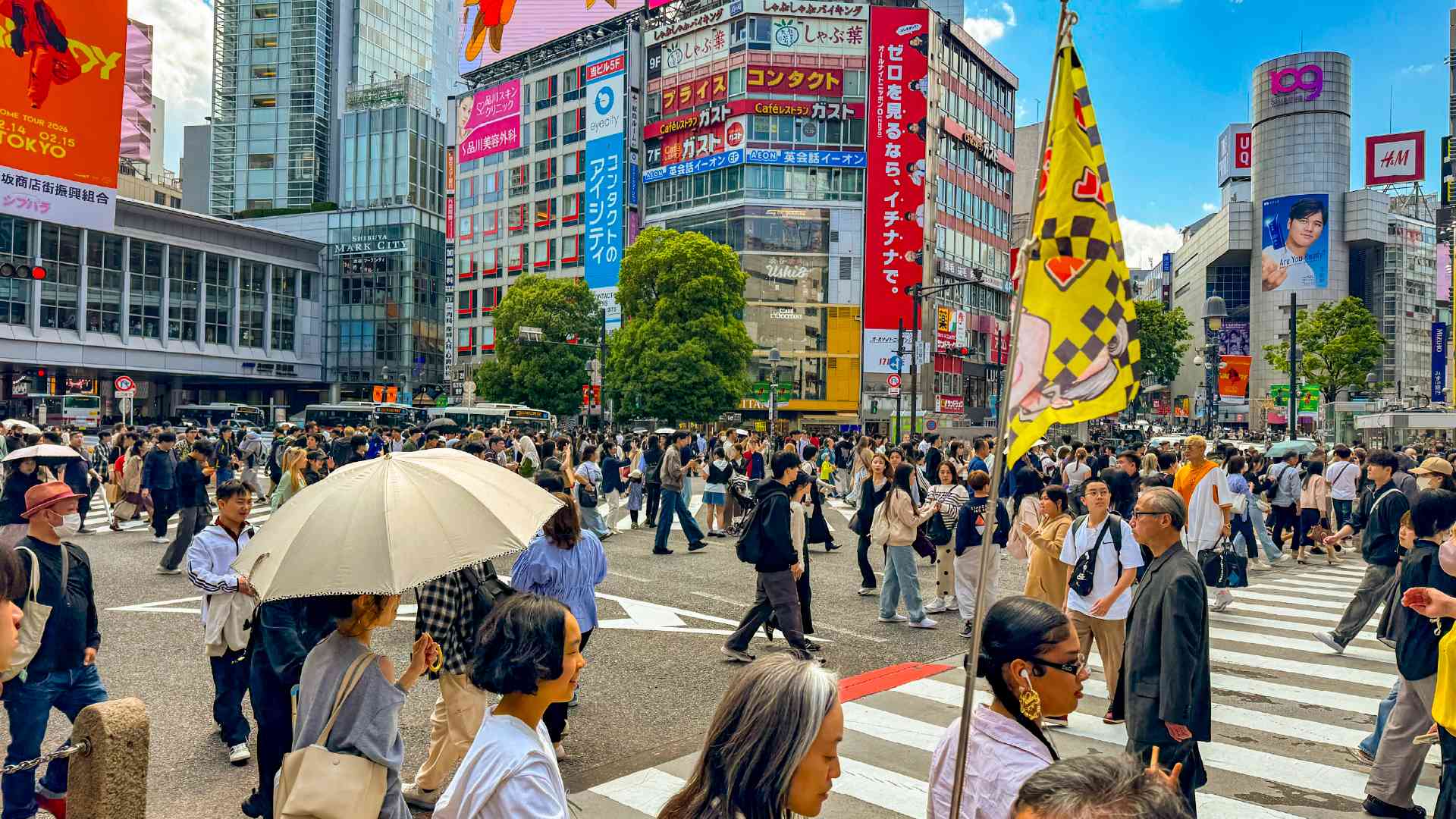
    • Experience Shibuya Crossing
    • Admire the city lights of Tokyo Bay while on a dinner cruise
    • Tokyo sightseeing including Asakusa Sensō-ji Temple and Nakamise Shopping Arcade
    • Enjoy a sumo wrestling demonstration and a traditional Chanko Nabe lunch
    • See Mt Fuji while riding the Hakone Ropeway (weather permitting)
    • Spend a night in a traditional ryokan guesthouse
    • Take in the sights of historic Takayama by foot
    • Free time to explore Miyagawa Open Air Market
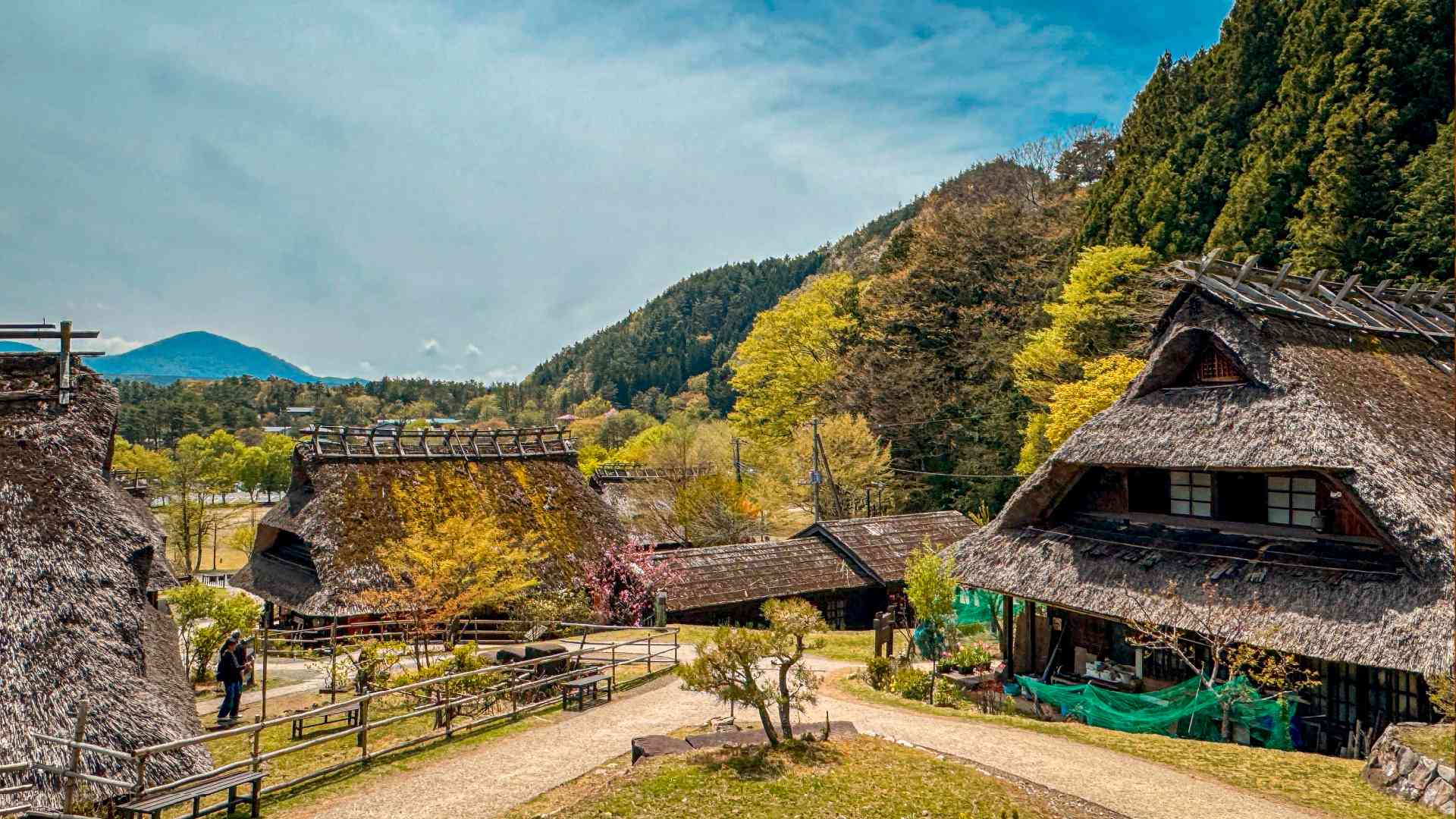
    • Wander through Shirakawa-go, with its famous gasshō-zukuri thatched roofs
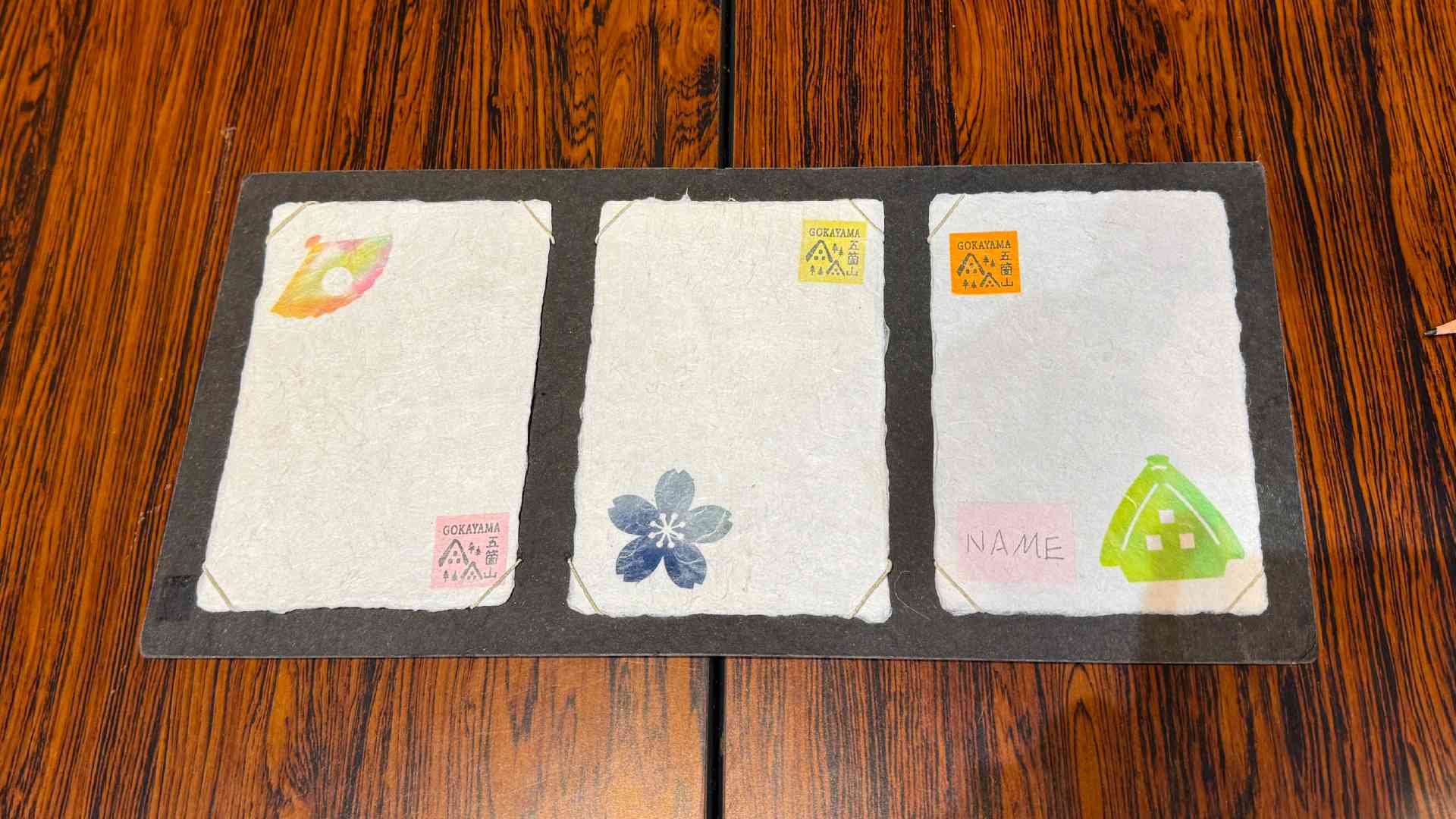
    • Learn about the Japanese tradition of washi papermaking in Gokayama
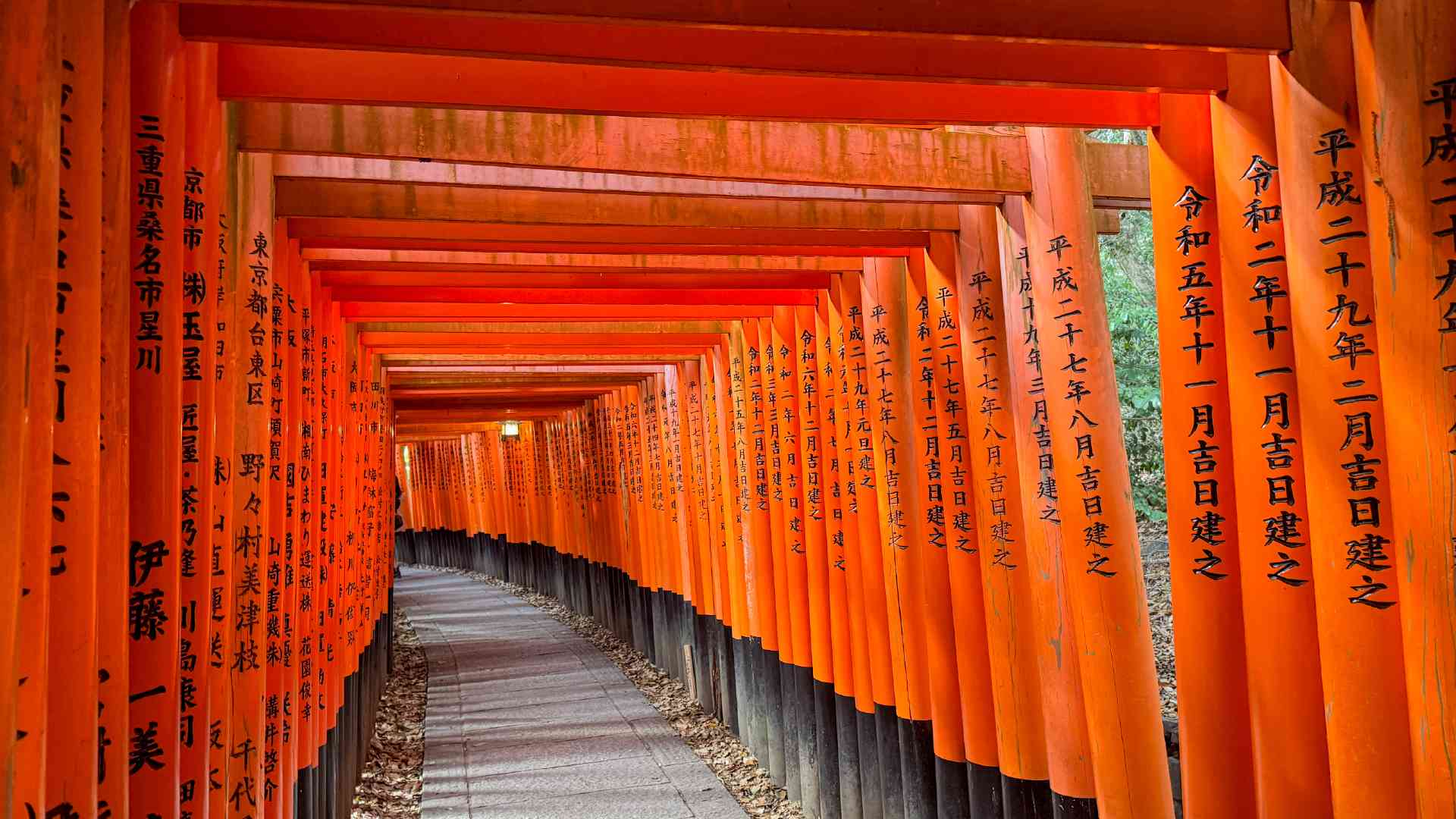
    • Tour the Fushimi Inari Shrine
    • Stroll the Philosopher's Walk
    • Take part in a black ink calligraphy class
    • Experience a traditional tea ceremony in Kyoto
    • Visit Kinkaku-ji Temple (Golden Pavilion)
    • Enjoy a tofu and shichimi making lesson
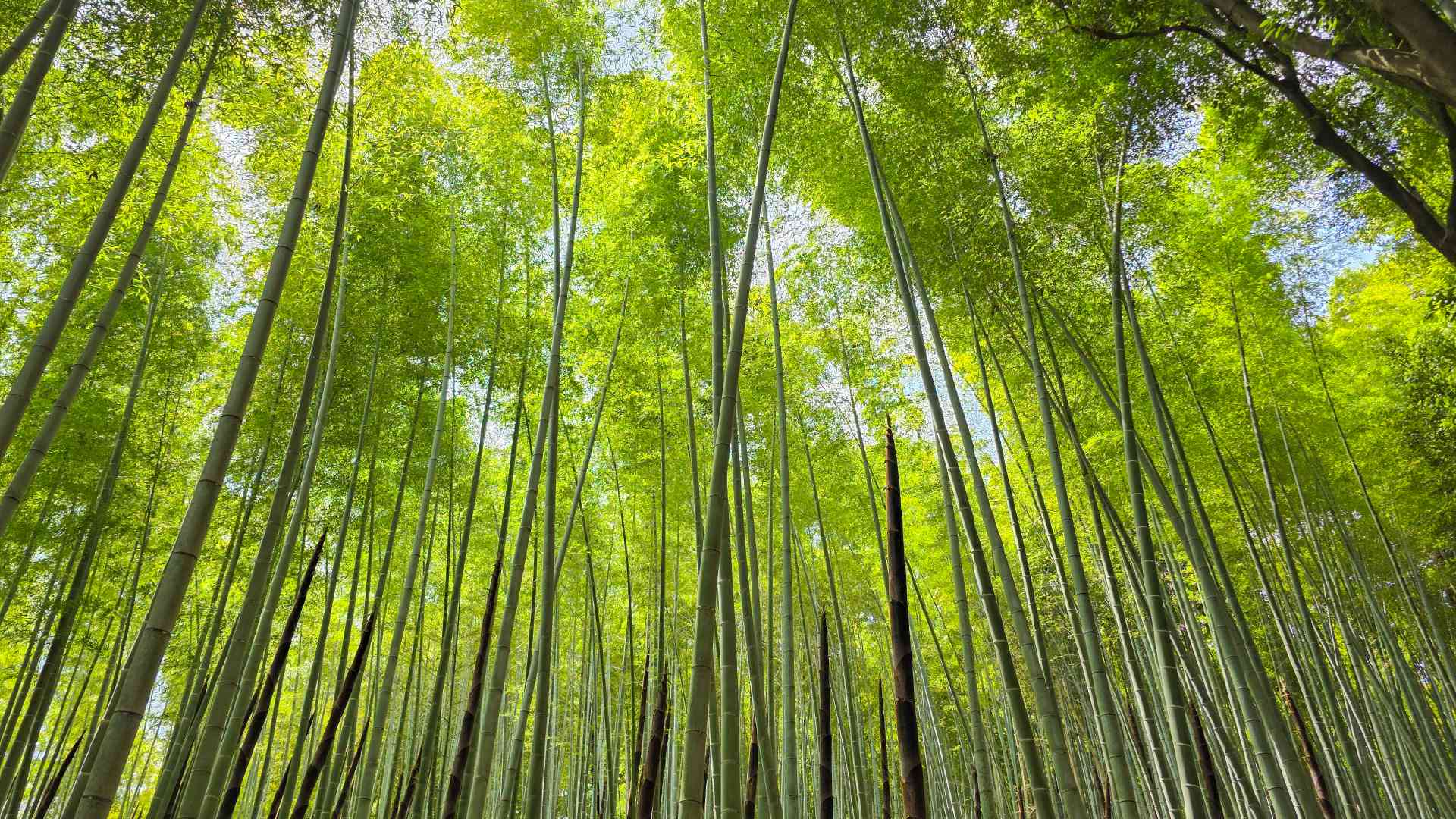
    • Stroll through the Arashiyama Bamboo Forest and see the Tōgetsu-kyō Bridge
    • Enjoy a Buddhist lunch at Shigetsu (Tenryū-ji Temple)
    • Visit the island Miyajima and see the giant Itsukushima Torii Gate (currently under maintenance)
    • Tour the Hiroshima Peace Park, and visit the Atomic Bomb Dome and the very moving Peace Memorial
    • Visit Himeji Castle
    • Sample the famous sake beverage
    • Explore the Tōdai-ji Temple
    • Feed the deer in Nara Deer Park
    • Free time to explore Osaka's Dōtonbori District
    • Learn the way of the Samurai in Osaka, Japan's pre-modern warriors

    Travel

    • Return economy-class flights from Australia to Japan. Taxes included
    • Airport transfers on the first and last day of tour (please refer to Some things to note)
    • All touring in air-conditioned vehicles
    • 4 bullet train journeys in Japan
    • 2 Limited Express train journeys in Japan
    • Tipping is not part of the Japanese culture, so tips are not expected

    Accommodation

    • 12 nights in 3-4 star hotels
    • 1 night in a traditional ryokan guesthouse, Hakone
    Properties include:
    • Grand Prince Hotel Takanawa, Tokyo
    • Hakone Yunohana Prince Hotel, Hakone - Japanese Style Ryokan accommodation
    • Hida Hotel Plaza, Takayama
    • Umekoji Potel Kyoto, Kyoto
    • Sheraton Grand Hotel Hiroshima, Hiroshima
    • Sheraton Miyako Hotel, Osaka
    Hotels listed are an indication, and are subject to change without notice.

    Meals

    • 13 breakfasts, 3 lunches and 5 dinners, including group welcome and farewell dinners

    One of the best ways to experience a destination is through its cuisine, and in Japan, food holds deep cultural significance, reflecting centuries of tradition.

    With this in mind, it should be noted that dietary requirements – including but not limited to vegetarianism, veganism, gluten-free/coeliac diets and some allergens – are less common and may not always be accommodated.

    The restaurants and experiences visited on our Japan tours will not always be able to alter their menus to fully exclude specific allergens or to cater for strict dietary requirements, and it should also be noted that meals for those with specific dietary requirements may be simpler and less varied. Cross contamination cannot be catered for in all of our restaurants and experiences we visit, therefore it is up to the individual traveller to manage their own allergens.

    While your Bunnik Tour guide will make every effort to inform you of the main ingredients in the dishes, the ultimate responsibility rests with you to ensure that you avoid any problematic ingredients.


    Tour Guides

    • English-speaking locally based national guide

    Some things to note

    • Should you not be travelling on the group tour flights shared bus transfers will be used between the hotel and the airport for the departure transfer.
    • On days 6 and 11 we will be travelling by bullet train and our luggage will be transferred via coach. We will need to pack an overnight bag with two night’s worth of luggage. Unfortunately, bullet trains have very limited space for luggage.
    • Miyajima's famous floating Torii Gate is undergoing renovations. During the renovation works, the Torii Gate maybe partially covered by scaffolding.
    • If you are travelling on or around the holidays of Golden Week (29 April to 5 May) heavier traffic conditions and longer waiting times can be expected.
    • Women may need a head scarf to enter some mosques and temples and wear modest clothing that covers knees and shoulders. Also, a good tip is to pack a spare pair of socks in your daypack, as sometimes shoes need to be removed when entering and the ground can be hot.
  • Itinerary details

    Day 1 - Depart Australia
    Day 1 - Depart Australia
    Day 2 - Arrive Tokyo
    Welcome to Japan, a country that combines the ultra-modern with the ultra-traditional in the most natural way. We’ll start our adventure in Tokyo, a city that’s come a long way from its humble beginnings as the fishing village Edo. Today, Tokyo buzzes with bright neon lights, cutting-edge technology, and a fashion scene that’s as diverse as it is daring, all while keeping its rich traditions close to heart. We don’t want you to miss out on any aspect of your small group tour. To ensure that you don’t, we recommend you arrive by 5.30pm to meet your guide and fellow travellers. For those arriving in the evening and unable to attend tonight’ dinner, we’ll meet you tomorrow morning as we dive into the heart of Tokyo together. Please refer to the letter you received upon check in with further details on the start time and your guide’s information.
    Day 3 - Tokyo
    Tokyo is a city that truly dazzles. It’s where centuries-old temples quietly sit beside towering skyscrapers, and the pace of modern life hums in harmony with deep-rooted tradition. Today, we’ll enjoy a taste of both worlds as we explore the very best of this incredible city. We’ll start our day at the Imperial Palace East Garden, a calm and elegant escape right in the heart of Tokyo. Once the site of Edo Castle and home to powerful shōguns, these beautifully kept gardens are rich with history and perfect for a peaceful stroll. Next, we’ll wander into Ginza, Tokyo’s famous upscale shopping and dining district. It’s known for its elegant boutiques, art galleries and delicious eateries. We’ll have some free time here to enjoy lunch and take in the lively atmosphere. We’ll then experience the pulse of the city at the world-famous Shibuya Crossing, a wildly choreographed moment of urban life where thousands of people cross from all directions at once. It’s pure Tokyo theatre. This evening, we’ll enjoy our welcome dinner aboard a yakatabune, a traditional Japanese houseboat. As we cruise along Tokyo Bay, we’ll enjoy great food, good company and sparkling skyline views.
    Day 4 - Tokyo
    What’s a trip to Tokyo without a little adventure on the subway? Today, we’ll hop on the city’s fast and efficient trains and travel just like the locals. It’s a fun and simple way to get around, and riding the subway really gives you a feel for the rhythm of Tokyo life. We’ll make our way to the Shitamachi district, often called Tokyo’s 'old town.' This area still holds onto the charm of traditional Japan. In Asakusa, we’ll visit Sensō-ji Temple, the oldest temple in Tokyo. It’s a peaceful and striking place, with its large red lantern and the soft scent of incense drifting through the air. Just outside the temple, we’ll wander down Nakamise Street, a lively shopping alley filled with stalls selling local snacks, souvenirs and handcrafted treasures. It’s the perfect stop for a leisurely stroll and a little shopping. Special Experience Delight in an entertaining sumo wrestling show while savouring a traditional Chanko-Nabe (a sumo hotpot-style stew) lunch. Sumo wrestling has been part of Japanese culture for over 1,500 years. What began as a ritual to entertain the gods is now a beloved national sport, rich with tradition. Today, we’ll enjoy a lively sumo demonstration, with an English-speaking host to explain the rules and rituals. If you’re feeling brave, you might even have the chance to step into the ring for a friendly match. As we watch, we’ll enjoy the flavours of a sumo lunch, featuring the hearty and delicious Chanko-Nabe hotpot. After a wonderful day, we’ll return to the hotel and enjoy the rest of the evening at leisure.
    Day 5 - Tokyo – Hakone
    This morning, we’ll leave the energy of Tokyo behind and make our way into the peaceful countryside, heading for the town of Fukasawa. Here, we’ll have some free time to enjoy lunch and explore the Gotemba Premium Outlets. It’s one of Japan’s largest outlet centres with a wide range of shops to browse at your own pace. If the weather is kind, you’ll be treated to some truly breathtaking views of Mt. Fuji in the distance, rising gracefully above the rooftops. In the afternoon, we’ll arrive in the scenic mountain town of Hakone, a favourite getaway spot for both locals and travellers. We’ll hop aboard the Hakone Ropeway, a cable car that gently glides above lush hills and steaming valleys. As we ride from Tōgendai to Ōwakudani, keep your eyes peeled for postcard-perfect views of Mt. Fuji if the skies are clear. Ōwakudani is a fascinating volcanic valley formed over 3,000 years ago. You’ll see steam vents puffing away and might even smell the sulphur in the air. Later, we’ll check in to our traditional ryokan accommodation and enjoy a delicious Japanese-style dinner to round out the day.
    Day 6 - Hakone – Takayama
    Japan’s bullet trains began as a bold dream back in the 1950s as a plan to connect cities faster than ever before and spark a whole new era of travel. After years of clever innovation, the very first shinkansen zoomed onto the tracks in 1964, just in time for the Tokyo Olympics. Since then, these sleek, speedy trains have become a symbol of Japan’s perfect mix of style, safety and precision. Today, we get to experience this incredible ride ourselves as we travel from Hakone to Nagoya. Then connecting with the local regional service which brings us into Takayama Station. Takayama is a delightful town tucked away in the mountains of Gifu Prefecture, famous for its beautifully preserved old town and rich history. When we arrive, we’ll have some time to stretch our legs after travelling by train, soaking up the warm atmosphere of this charming place. We will enter Takayama Jinya, a stunning wooden government building from the Edo period. It’s the only one left in Japan and offers a fascinating peek into how the town was run hundreds of years ago. We’ll also wander down Sanmachi Street, where old merchant houses from the Edo and Meiji periods now house sake breweries, quaint shops and cosy restaurants with an opportunity to pick up a souvenir. After our walk, we’ll finish at our hotel where you’ll have the evening to relax and enjoy at leisure.
    Day 7 - Takayama – Shirakawago – Gokayama – Takayama
    Today, we’ll explore the beautiful area around Takayama, starting with a visit to one of Japan’s largest morning markets, the Miyagawa Open Air Market. This lively market buzzes with local farmers and artisans selling fresh produce, handmade crafts and tasty snacks. It’s a colourful, cheerful spot where you can enjoy browsing and maybe find a special keepsake or a little treat to nibble on. Next, we’ll journey to the UNESCO World Heritage-listed village of Shirakawa-go. This charming village is famous for its unique gasshō-zukuri houses, with their steep thatched roofs designed to handle heavy snowfall. The roofs look like hands pressed together in prayer, exactly what gasshō means. We’ll visit one of these traditional houses, step inside, and get a real feel for how people lived here hundreds of years ago while soaking in the beautifully preserved cultural traditions. After exploring Shirakawa-go, we’ll have some free time to enjoy lunch and explore. You might want to try the local Hida beef, a delicious specialty of the region, or simply stroll the peaceful streets and take in the serene mountain views. In the afternoon, we’ll head to Gokayama, another mountain area known for its gasshō-zukuri houses and rich heritage. We’ll visit the Japanese Paper Village, where you can watch delicate washi paper being handmade using techniques passed down for centuries. It is commonly used in the traditional paper-folding art of Origami. Later, we’ll return to our hotel to relax and enjoy a lovely dinner to end the day.
    Day 8 - Takayama – Kyoto
    We’ll leave the peaceful mountain scenery of Takayama behind this morning and head to the station, where we’ll board the local train to Nagoya. Once we arrive in Nagoya, there will be time to grab a bite before we hop onto the famous bullet train bound for Kyoto. Sit back and enjoy the changing views from the window as we make our way through the countryside. Kyoto is often considered the cultural heart of Japan. With over a thousand years of history, it’s home to elegant temples, serene gardens, traditional tea houses and wooden laneways that seem to pause time. The shift in atmosphere is something you’ll feel as soon as we arrive. Once we arrive in Kyoto, we’ll explore the stunning Fushimi Inari Shrine, famous for its winding trail of more than 10,000 bright red torii gates. Dedicated to the god of rice and sake back in the 8th century, it’s one of Japan’s most iconic and photogenic spots. Later, we’ll head to our hotel for a restful evening in this timeless city.
    Day 9 - Kyoto
    Kyoto is the quiet heartbeat of traditional arts, and this morning we begin with one of its most elegant expressions, Japanese black ink calligraphy known as shodō. This beautiful, meditative art form has deep roots in Kyoto where monks and scholars practised it in ancient temples. The city’s calm and scholarly atmosphere helped it flourish, with generations of masters refining their techniques here over the centuries. This morning, we will have the chance to try it ourselves. Special Experience Delve into the stunning art form of Japanese black ink calligraphy and try your hand at perfecting this ancient art. Afterwards, we will take part in a traditional Japanese tea ceremony. Rooted in Kyoto’s Zen traditions, this graceful ritual is all about mindfulness, quiet hospitality and taking a pause to appreciate the present moment. It is both soothing and deeply cultural. Following this rich cultural morning, we will enjoy a stroll along the Philosopher’s Walk. This peaceful stone path follows a narrow canal lined with cherry trees and weaves gently between temples in northern Kyoto. It is named after a Kyoto University philosopher who walked it daily, deep in thought. Depending on the season, you may see soft cherry blossoms overhead or fiery autumn leaves beneath your feet. Along the way are shrines, little art galleries and cosy cafés perfect for a quiet rest or a sweet treat. We will return to the hotel in the afternoon with the rest of the day free to enjoy at your leisure.
    Day 10 - Kyoto
    Home to over 1,600 temples, Kyoto offers a wonderful glimpse into Japan’s rich spiritual and cultural history. Today, we’ll explore some of its most famous sites, starting with Kinkaku-ji, the stunning Golden Pavilion. This temple, covered in shimmering gold leaf, reflects beautifully in the calm pond that surrounds it. Originally a shogun’s retreat turned Zen temple, it was lovingly rebuilt after a fire in 1950 to preserve its timeless beauty. After soaking in the peaceful atmosphere of Kinkaku-ji, we’ll head to a local restaurant to dive into Japan’s amazing food culture. Special Experience Partake in a hands-on class where you'll make tofu and mix up shichimi, the famous Japanese seven-spice blend — then enjoy your delicious dishes for lunch. Tofu has been a cornerstone of Japanese cooking for centuries, prized for its fresh, delicate flavour and endless versatility. Shichimi, a fragrant blend of seven spices, adds warmth and a gentle kick to many dishes, showing how Japanese cuisine celebrates balance and subtlety in every bite. After our tasty and immersive lunch, we’ll return to the hotel where you’ll have the rest of the day at leisure.
    Day 11 - Kyoto – Hiroshima
    We’ll start our final day in Kyoto with a visit to the nearby Arashiyama district, where the iconic Togetsukyo Bridge awaits. Known as the 'Moon Crossing Bridge,' this charming wooden structure has been a favourite spot for centuries. It frames the river and surrounding mountains perfectly, especially beautiful during cherry blossom season and autumn when the colours burst to life. Next, we’ll wander through the famous Arashiyama Bamboo Forest. Towering bamboo stalks sway gently above us, creating a peaceful, whispering canopy. Walking along the winding paths feels almost magical as soft sunlight filters through the lush green. After our stroll, we’ll explore the UNESCO World Heritage-listed Tenryū-ji Temple. Founded in 1339, this important Zen Buddhist temple is famous for its stunning gardens that blend nature with traditional design. Though rebuilt after fires, Tenryū-ji still holds its peaceful, meditative spirit. For lunch, we’ll enjoy a traditional Japanese meal right on the temple grounds. We'll savour the Buddhist vegetarian cuisine with highlights of fresh, seasonal ingredients with delicate flavours. Later, we’ll board the bullet train at Kyoto Station bound for Hiroshima. This city, known for its inspiring story of resilience and peace, will welcome us as we check into our hotel. The evening is yours to relax and explore at your leisure.
    Day 12 - Hiroshima – Miyajima – Hiroshima
    While Hiroshima is known around the world for the events of 1945, today it stands as a powerful symbol of hope, peace and renewal. This morning, we’ll set out to explore one of Japan’s most scenic and spiritual places, the UNESCO World Heritage-listed Island of Miyajima. We’ll begin with a short drive to Miyajimaguchi Station, then enjoy a peaceful ferry ride across the bay to reach the island. Once there, we’ll visit the famous Itsukushima Shrine. This stunning shrine is built over the water and, during high tide, appears to float in the sea. Its bright red torii gate has become one of Japan’s most iconic views, and the shrine itself is a beautiful example of traditional Shintō design that dates back to the 12th century. After exploring, we’ll take the ferry back to Hiroshima and visit the Peace Memorial Park and the A-Bomb Dome. The park stands as a powerful tribute to the lives lost in 1945 and as a heartfelt call for peace. The A-Bomb Dome, left standing near the blast’s epicentre, has been preserved as a symbol of resilience and remembrance. As we walk through the park, past memorials and thousands of colourful paper cranes, it’s hard not to be touched by the quiet strength of this place. Later, we’ll return to the hotel for a well-earned rest. If you’re in the mood to explore, you might like to try Hiroshima’s famous okonomiyaki, a savoury pancake layered with noodles and local flavour.
    Day 13 - Hiroshima – Himeji – Osaka
    We’ll say goodbye to Hiroshima this morning as we catch our last bullet train of the trip, heading to the city of Himeji. Known as the home of one of Japan’s most spectacular castles, Himeji gives us a wonderful glimpse into the country’s feudal past. Often called the White Heron Castle because of its elegant, white exterior, Himeji Castle is a masterpiece of Japanese architecture and one of the best-preserved castles in Japan. This UNESCO World Heritage-listed site dates back to 1617 and has stood strong through war and earthquakes, making it a true symbol of resilience. We’ll take our time exploring its stunning grounds before strolling over to the nearby Kōkn Garden, a peaceful haven filled with beautiful traditional landscaping. After some free time for lunch, we’ll learn all about a local beverage which holds a special place in Japanese culture, from family celebrations to spiritual ceremonies, sake. We’ll visit a sake brewery where we discover how this time-honoured drink is carefully crafted. After exploring the process, we’ll enjoy a tasting and savour the delicate flavours that make sake so beloved across Japan. Special Experience Enjoy a tasting experience at a local sake brewery and learn how Japan’s drink of choice is made. After our tasting, we’ll drive to the lively city of Osaka. Known as Japan’s Kitchen for its mouthwatering food, warm locals and energetic spirit, Osaka is a playful city where tradition meets fun. This vibrant city will be our home for the next two nights. Once we arrive, we’ll check in at our hotel and collect our luggage. The evening is yours to enjoy at leisure. For dinner, why not explore nearby Namba? This bustling district is a food lover’s paradise, bursting with eateries, vibrant street stalls and delicious local flavours. After dinner, take a leisurely stroll through the lively streets and soak up the energetic atmosphere that makes Namba truly special.
    Day 14 - Osaka – Nara – Osaka
    Nara’s story begins over 1,300 years ago when it became Japan’s very first permanent capital in 710 AD. Before that, the capital moved with each new emperor, but Nara was chosen to bring stability and grow into a grand centre for culture, religion, and government. This morning, we’ll enjoy a scenic drive from Osaka to explore this historic city. Our first stop is the magnificent Tōdai-ji Temple, home to the world’s largest bronze Buddha statue. This impressive temple is a marvel of ancient architecture and has been a spiritual heart of Japan for centuries. After soaking in its peaceful atmosphere, we’ll stroll through Nara Deer Park, where gentle deer roam freely. These sacred creatures are considered messengers of the gods and have become one of Nara’s most beloved sights. Later, we’ll return to Osaka and explore the lively Dōtonbori district. Famous for its colourful neon lights and bustling streets, it’s the perfect spot to enjoy some free time and lunch. Special Experience Dive into the world of pre-modern Japan with a fun, interactive session on the way of the Samurai. Unleash your inner warrior and learn their legendary skills. The samurai were more than warriors, they were noble guardians living by a strict code of honour, loyalty and discipline. Their stories of bravery still inspire us today, offering a fascinating glimpse into Japan’s rich past and traditions. We’ll explore their art and even try out some of their movements ourselves, which is sure to bring a few laughs along the way! Afterwards, we’ll head back to the hotel and prepare for our group farewell dinner, toasting the wonderful memories we’ve made together.
    Day 15 - Depart Osaka
    Our time together concludes this morning after breakfast, but the laughter, discovery and gentle hospitality of Japan are yours to keep forever. We hope you leave with new friendships and wonderful stories to share!
    Day 16 - Arrive Australia
    Day 16 - Arrive Australia

    Frequently Asked Questions

    You should choose this tour for its premium, small-group experience led by Bunnik Tours, the 'OG small group touring experts.' With a maximum of 20 people, this tour offers a perfect balance of professional guidance and the freedom to explore. It features unique 'Special Experiences' such as a sumo wrestling show, a traditional tea ceremony, and a samurai interactive session, ensuring a meaningful journey that goes beyond the expected.
    This tour is specifically designed with travellers aged 55 and over in mind. It is ideal for those who appreciate a curated blend of comfort, culture, and meaningful connection. Travellers who enjoy a mix of ultra-modern city life and ancient traditions, and who value travelling with like-minded companions in a small group setting, will enjoy this tour most.
    The pros include a comprehensive itinerary covering major cities and hidden gems, high-quality premium service, and immersive cultural activities like staying in a traditional ryokan and riding the bullet train. A potential con is that the physicality rating is 'Moderate,' which may be a consideration for those seeking a very low-activity trip.
    This tour is an excellent option for solo travellers, couples, and friends, particularly those in the 55+ age group, as it emphasizes social connection and shared experiences. While the text does not explicitly mention families, the focus on a mature age group suggests it is tailored more toward adults than young children.
    This tour is fantastic for both, but it is especially well-suited for first-time visitors. It covers the essential 'must-see' highlights of Japan—including Tokyo, Kyoto, Osaka, and Mt. Fuji—while providing the guidance and structure needed to navigate the country comfortably.
    The tour has a 'Moderate' physicality rating and involves activities such as wandering bustling streets, strolling through gardens, and exploring temples and bamboo forests. While it is designed for the 55+ age group, those with significant mobility concerns may wish to contact the supplier for more specific details on the walking requirements.
    This tour provides a balanced blend of all three. It offers extensive sightseeing of landmarks like Himeji Castle and the Golden Pavilion, deep cultural immersion through calligraphy and tea ceremonies, and light adventure through experiences like the Hakone Ropeway and riding the Tokyo subway.
    The pace of the tour is carefully balanced to ensure comfort for its target demographic. While it covers many cities and sites, it incorporates 'quiet moments of reflection' and several evenings at leisure, aiming to provide a rewarding experience without being overly taxing.
    The itinerary is designed to feel balanced rather than rushed. By utilizing efficient transport like the shinkansen (bullet train) and including dedicated free time in districts like Ginza and Namba, the tour allows guests to soak in the atmosphere of each location at a comfortable speed.
    Yes, the tour includes many of Japan's most iconic landmarks. Key highlights include Tokyo's Imperial Palace and Shibuya Crossing, Mt. Fuji views in Hakone, the Fushimi Inari Shrine and Kinkaku-ji in Kyoto, the Peace Memorial Park in Hiroshima, Himeji Castle, and the Great Buddha at Todai-ji Temple in Nara.
    Yes, language barriers are handled by the professional guides. The tour includes a guide who accompanies the group for dinner upon arrival and provides necessary information, and specific activities—such as the sumo demonstration—feature English-speaking hosts to explain the rituals and rules.
    Disclaimer:
    These FAQs have been generated with the assistance of AI to provide a general overview. They are intended as a starting point only and should be reviewed based on your knowledge, current supplier information and client requirements.
    as
    Compare tours